Every Panty Style Explained: The Complete Guide to Cuts & Fabrics
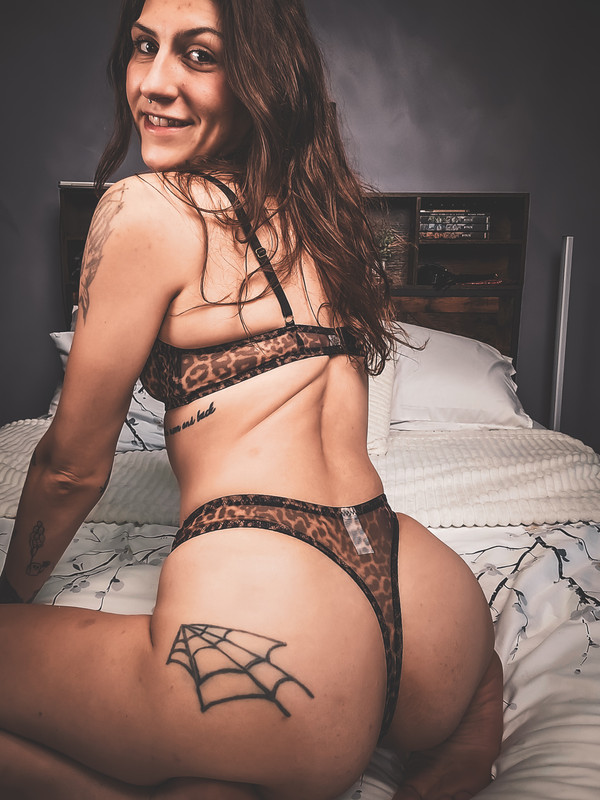
Briefs to g-strings, cotton to lace — here's every panty style explained, how each one wears, and which cuts and fabrics matter most for every purpose.
The panty spectrum (quick answer)
Panty styles run on a coverage spectrum: brief → hipster → bikini → cheeky → tanga → thong → g-string, with specialty branches (boyshort, high-waisted, crotchless) off to the side. Cut controls coverage and silhouette; fabric — cotton, lace, satin, silk, mesh — controls feel, look and, for worn-item buyers, scent retention.
This guide walks the full spectrum, then the fabrics, then the practical question this site gets asked most: which styles matter for worn drops.
Full and mid coverage: briefs, hipsters, bikini
Briefs (fullbacks) are the full-coverage classic — waist-high, full seat, maximally comfortable. Dismissed as unsexy for decades, they're enjoying a real renaissance; on-body, confident full coverage reads as retro-pinup, not frumpy. Hipsters drop the waistband lower with a wide, secure fit. Bikini is the global default: moderate coverage, low rise, the shape most drawers are built on.
Worn-item note buyers should know: fullbacks and bikinis get worn longest precisely because they're the comfortable ones — and longer comfortable wear plus more fabric equals more scent. Fullback devotees are among the most loyal segments of the worn panties market.
Minimal coverage: cheeky, tanga, thong, g-string
Cheeky cuts reveal the lower half of the seat — playful, flattering, and the fastest-growing cut in lingerie. Tanga narrows the sides while keeping some back coverage. Then the famous two: the thong (front triangle, narrow back strip, all-day wearable) and the g-string (string everything, barely-there by design) — the differences get their own full guide.
These are the display cuts, engineered to frame. They're also — no surprise — the most photographed, the most gifted, and the most requested in custom content.
Specialty styles
Boyshorts borrow the boxer silhouette — square cut, full seat, tomboy charm. High-waisted styles snatch the waist and read vintage glamour. **Crotchless designs keep the lingerie, open the access. Strappy/cage** designs turn the panty into architecture.
Every specialty style exists in worn form too — the worn lingerie category covers the pieces that go beyond everyday panties.
The fabric guide
Cotton: soft, breathable, the everyday champion — and the undisputed scent-retention king, which is why cotton dominates worn-item requests. Lace: the visual fabric; delicate, decorative, made to be seen. Satin and silk: pure touch — silk being natural holds scent well too. Mesh and microfiber: modern, light, breathable, but synthetics release scent quickly.
The rule of thumb worn-item buyers rely on: natural fibers remember, synthetics forget. A cotton gusset after a long wear day carries what a polyester one loses in hours — the science of why scent matters explains the rest.
Rise, gusset and the fit vocabulary
Cut names describe the seat; fit lives in three other words. Rise is where the waistband sits — high (navel), mid (hip bone), low (below it) — and changes a style's whole character: a high-waisted thong and a low-rise thong are different garments sharing a back. Gusset is the reinforced crotch panel, almost always cotton-lined even in synthetic pairs (there's a hygiene reason quality brands never skip it). Leg line is where the openings cut — high-cut legs lengthen, straight cuts contain.
Fluency here is what turns 'medium bikini' shopping into actually predictable results — and it's the vocabulary worn-item buyers use to specify exactly the pair they're imagining.
Matching style to occasion (and outfit)
The practical matrix: fitted and sheer clothing wants thongs or seamless styles (invisibility), athletic days want cotton or moisture-wicking cuts (function), everyday comfort belongs to bikinis and hipsters (the workhorses), date nights belong to lace, cheeky and matching sets (display), and statement moments belong to the specialty drawer (theater).
The well-built drawer covers all five rows — which, not coincidentally, is the same logic behind a well-built worn-item collection: different styles capture different days.
Building the capsule panty drawer
The minimalist's version, if you're buying for yourself or advising someone: five cotton bikinis or hipsters (the daily rotation), three thongs (the invisibility slots), two lace or satin pairs (occasions), one cheeky (the mood item), and one wildcard from the specialty shelf. A dozen pairs, every use case covered, nothing orphaned.
The same logic scales to gifting and collecting: coverage across categories beats depth in one. A collector's worn-item equivalent might pair a classic cotton thong with a lace occasion piece and one specialty item — three different recordings of three different kinds of day.
Find your defaults (a 30-second quiz)
Answer three questions and the spectrum collapses to your shelf. What's over them most days? Fitted clothing → thong territory; relaxed fits → bikini/hipster freedom. What annoys you more, fabric or exposure? Fabric → head minimal; exposure → stay mid-coverage. Who are they usually for? Just you → comfort cuts win; an audience some evenings → add display pieces deliberately.
There are no wrong answers, only mismatched drawers — the most common underwear complaint is owning styles bought for an imagined life. Buy for your actual days; the occasion matrix handles the exceptions.
Care: making good pairs last
Delicates earn the name. Lace, mesh and anything with elastane want cold-wash gentle cycles or hand washing, a mesh laundry bag (the single highest-return habit), and air drying — heat is elastic's murderer, and a tumble dryer ages a lace pair a year per cycle. Cotton everyday pairs tolerate normal machine life happily.
Storage matters less, with one exception collectors care about: worn items being kept as keepsakes should stay in their vacuum seal — scent, once aired, doesn't return.
Which styles worn-panty buyers actually request
The request leaderboard, per every seller who's ever published one: cotton thongs first (the intersection of popular cut and scent-holding fabric), then bikinis (longest comfortable wear), g-strings (intimacy maximalists), lace pairs (the aesthetes), fullbacks (the scent devotees) and crotchless (the scenario collectors).
The style-request freedom is the creator-direct advantage: on a marketplace you buy what's listed; buying direct, you specify cut, fabric, color and wear time and it's worn for you.
Put it to use
Now you speak fluent panty. Whether that improves your gift game, your own drawer, or your collection is your business — but if it's the collection, Erika's worn drops take requests across this entire guide: any cut, any fabric, your wear time.
Start with the current drop, or go bespoke via custom orders. Vacuum-sealed at removal, plain packaging, neutral billing — always.
Never miss a drop
Get notified the moment a new piece goes live — plus member-only pricing.
FAQ
Connect With Erika Rose
Follow Erika Rose across every platform and never miss a drop, a live show, or a new release.
Know what you like
Every style in this guide can be requested as a worn drop — cut, fabric, color and wear time, your call.